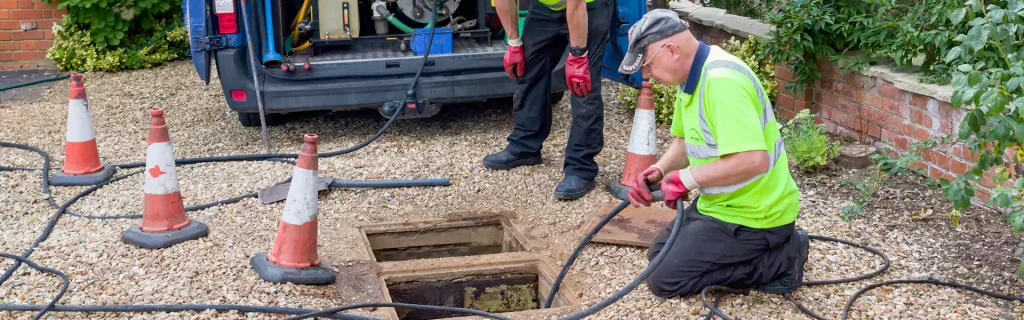
Blocked Drains Melbourne: What to Do Immediately Before Calling a Plumber
A blocked toilet or blocked drain always seems to happen at the worst possible time. Whether it’s first thing in the morning, during a family gathering, or late at night, a blocked drain can quickly turn into a stressful situation.
The good news is that not every blocked toilet requires an emergency plumber. In many cases, there are several safe checks you can perform before calling a professional. Sometimes, a simple blockage can be cleared within minutes. Other times, the blockage is a sign of a much larger drainage problem that requires specialised equipment.
At NLK Plumbing, we help Melbourne homeowners clear blocked drains every day. In this guide, we’ll explain exactly what you should do immediately, what mistakes to avoid, and when it’s time to call a licensed plumber.
Why Do Blocked Drains Happen?
Blocked drains develop when something restricts the flow of wastewater through your plumbing system.
Some blockages happen suddenly, while others build up slowly over months or even years.
The most common causes of blocked drains in Melbourne include:
- Excess toilet paper
- Wet wipes
- Paper towels
- Sanitary products
- Hair build-up
- Soap residue
- Cooking grease
- Food waste
- Children’s toys
- Tree roots
- Broken pipes
- Collapsed drains
- Foreign objects
Older Melbourne suburbs are particularly prone to drainage problems because many homes still have ageing earthenware pipes. These pipes naturally crack over time, allowing tree roots to grow inside the drainage system.
Step 1 – Don’t Keep Flushing the Toilet
This is the biggest mistake homeowners make.
If your toilet doesn’t flush properly and the water begins rising, resist the temptation to flush again.
Each flush sends another six to nine litres of water into a blocked pipe.
Eventually, the toilet will overflow.
Overflowing toilets can cause:
- Water damage
- Sewage contamination
- Damage to flooring
- Damage to cabinetry
- Expensive cleaning costs
Instead:
- Wait for the water level to drop.
- Close the toilet lid.
- Stop everyone in the house from using that toilet.
Step 2 – Check if It’s Only One Toilet
Before assuming you have a major plumbing emergency, determine how widespread the blockage is.
Check:
- Other toilets
- Bathroom sinks
- Shower drains
- Laundry tub
- Kitchen sink
If only one toilet is blocked
The blockage is probably inside the toilet itself.
If multiple fixtures are blocked
The blockage is likely inside your sewer drain.
This usually requires professional drain clearing equipment.
Step 3 – Buy a Toilet Plunger
A quality toilet plunger is one of the best investments every homeowner can make.
You can purchase one from Bunnings or your local hardware store.
Choose a flange plunger rather than a flat sink plunger.
The flange creates a proper seal around the toilet outlet.
To use it:
- Leave enough water in the bowl.
- Position the plunger over the outlet.
- Push gently.
- Pull sharply.
- Repeat 20 times.
If successful, the water level should quickly drain away.
Flush only once to test it.
Step 4 – Know When to Stop
If the plunger isn’t working after several attempts, don’t continue for another half hour.
Excessive plunging can:
- Damage toilet seals
- Crack porcelain
- Push the blockage further into the pipe
Professional plumbers have equipment that is far more effective than household plungers.
Step 5 – Never Flush These Items
Many blockages are completely preventable.
Your toilet is designed for only:
- Human waste
- Toilet paper
Never flush:
- Baby wipes
- Flushable wipes
- Paper towel
- Facial tissues
- Cotton buds
- Dental floss
- Tampons
- Sanitary pads
- Nappies
- Cat litter
- Cigarette butts
Even products marketed as “flushable” are responsible for thousands of blocked drains every year.
Step 6 – Look Outside
Many homeowners never think to inspect outside.
Locate your Overflow Relief Gully (ORG).
If water is overflowing from this drain outside your home, it usually indicates the sewer drain is blocked.
This is a strong sign you should stop using water throughout the house and call a plumber immediately.
Common Signs of a Blocked Sewer Drain
A blocked sewer affects far more than just one toilet.
Watch for:
- Gurgling drains
- Slow sinks
- Water backing up into showers
- Bad smells
- Overflowing outside drains
- Multiple blocked fixtures
- Bubbling toilets
These symptoms almost always indicate a larger drainage problem.
Tree Roots – Melbourne’s Biggest Drain Problem
Across Melbourne, mature trees are one of the leading causes of blocked drains.
Roots naturally seek moisture.
Tiny cracks in underground pipes release moisture into the surrounding soil.
Roots detect this moisture and slowly grow inside the drain.
Over time they create a dense network that catches toilet paper, grease and waste until the drain becomes completely blocked.
Tree roots cannot be removed with a plunger.
Professional high-pressure water jetting is normally required.
Why Drain Chemicals Usually Don’t Work
Many people rush to the supermarket for chemical drain cleaners.
Unfortunately these products rarely solve blocked sewer drains.
Most chemical cleaners only work on minor organic build-up.
They won’t remove:
- Tree roots
- Toys
- Sanitary products
- Large paper blockages
- Broken pipes
Some chemicals may even damage older plumbing
DIY Mistakes That Make Blockages Worse
We regularly attend jobs where well-intentioned DIY attempts have made the blockage more difficult to clear.
Avoid:
- Coat hangers
- Metal rods
- Pressure washers
- Garden hoses
- Boiling water in toilets
- Large amounts of chemicals
These methods can damage toilets and pipework.
When You Should Call a Plumber Immediately
Call a plumber if:
- The toilet is overflowing.
- More than one drain is blocked.
- Sewage is coming back inside.
- Water is overflowing outside.
- Plunging hasn’t worked.
- You notice sewer smells.
- You hear gurgling throughout the house.
- The blockage keeps returning.
The earlier the blockage is professionally diagnosed, the less likely it is to cause expensive damage.
How Professional Plumbers Clear Blocked Drains
Modern plumbing technology makes drain clearing much faster than it was years ago.
At NLK Plumbing we typically follow four steps.
CCTV Drain Camera Inspection
A waterproof camera is inserted into the drain.
This shows:
- Tree roots
- Broken pipes
- Cracks
- Grease build-up
- Foreign objects
- Pipe alignment
Instead of guessing, we identify the exact cause.
High Pressure Water Jetting
High-pressure water removes:
- Tree roots
- Grease
- Sludge
- Toilet paper
- Soap residue
Unlike older drain snakes, water jetting cleans the entire pipe.
Drain Location Equipment
Electronic locating equipment pinpoints the exact location and depth of underground drains.
This avoids unnecessary excavation.
Permanent Repairs
If damaged pipes are discovered, repairs can be planned before another blockage occurs.
How to Prevent Future Blocked Drains
Simple habits make a huge difference.
Only flush toilet paper.
Anything else belongs in the bin.
Install sink strainers.
Catch food before it enters the drain.
Never pour cooking oil down sinks.
Allow grease to cool before placing it in the rubbish.
Remove hair regularly.
Hair causes many bathroom drain blockages.
Book regular drain inspections.
Older homes benefit from preventative CCTV inspections.
Watch for slow drains.
Slow drainage is usually the first warning sign.
Frequently Asked Questions
Can I unblock my toilet myself?
Yes, if only one toilet is blocked, using a quality plunger is often worth trying first.
Why does my toilet keep blocking?
Recurring blockages usually indicate a deeper issue such as tree roots, damaged pipes or an obstruction further down the drain.
Are flushable wipes actually flushable?
Not really. Many products labelled flushable do not break down quickly enough and frequently contribute to blocked drains.
How long does it take to clear a blocked drain?
Simple blockages can often be cleared within an hour. More complex problems involving tree roots or damaged pipes may take longer depending on the extent of the issue.
Is a blocked drain an emergency?
If sewage is overflowing into your home or multiple fixtures are backing up, it should be treated as an emergency and attended to as soon as possible.
Why Melbourne Homes Experience More Drain Problems
Many suburbs across Melbourne contain homes built decades ago using earthenware drainage pipes. Over time these pipes can crack, shift, or become misaligned, making them particularly susceptible to tree root intrusion and recurring blockages.
Seasonal weather changes can also contribute. Heavy rainfall may place additional pressure on drainage systems, while long dry periods encourage tree roots to seek moisture inside underground pipes.
Regular maintenance and early intervention can significantly reduce the likelihood of major drainage issues.
Trust NLK Plumbing for Blocked Drains in Melbourne
When a blocked drain can’t be resolved with a plunger, professional equipment and experience make all the difference.
At NLK Plumbing, we use advanced CCTV drain cameras, high-pressure water jetting equipment and electronic drain locating technology to identify the cause quickly and provide the most effective solution.
Whether you’re dealing with a blocked toilet, recurring drain issues, tree roots or a complete sewer blockage, our team can diagnose the problem accurately and recommend the best course of action.